
What Exactly Are “Other Structures” on Your California Property?
You’ve got your home, right? The big one, where you sleep and eat and hang out. Your California homeowner’s policy calls that your “dwelling.” But what about everything else standing on your land that isn’t connected to the main house? That’s where “other structures coverage” steps in. It’s a pretty straightforward idea, but the details often trip people up.
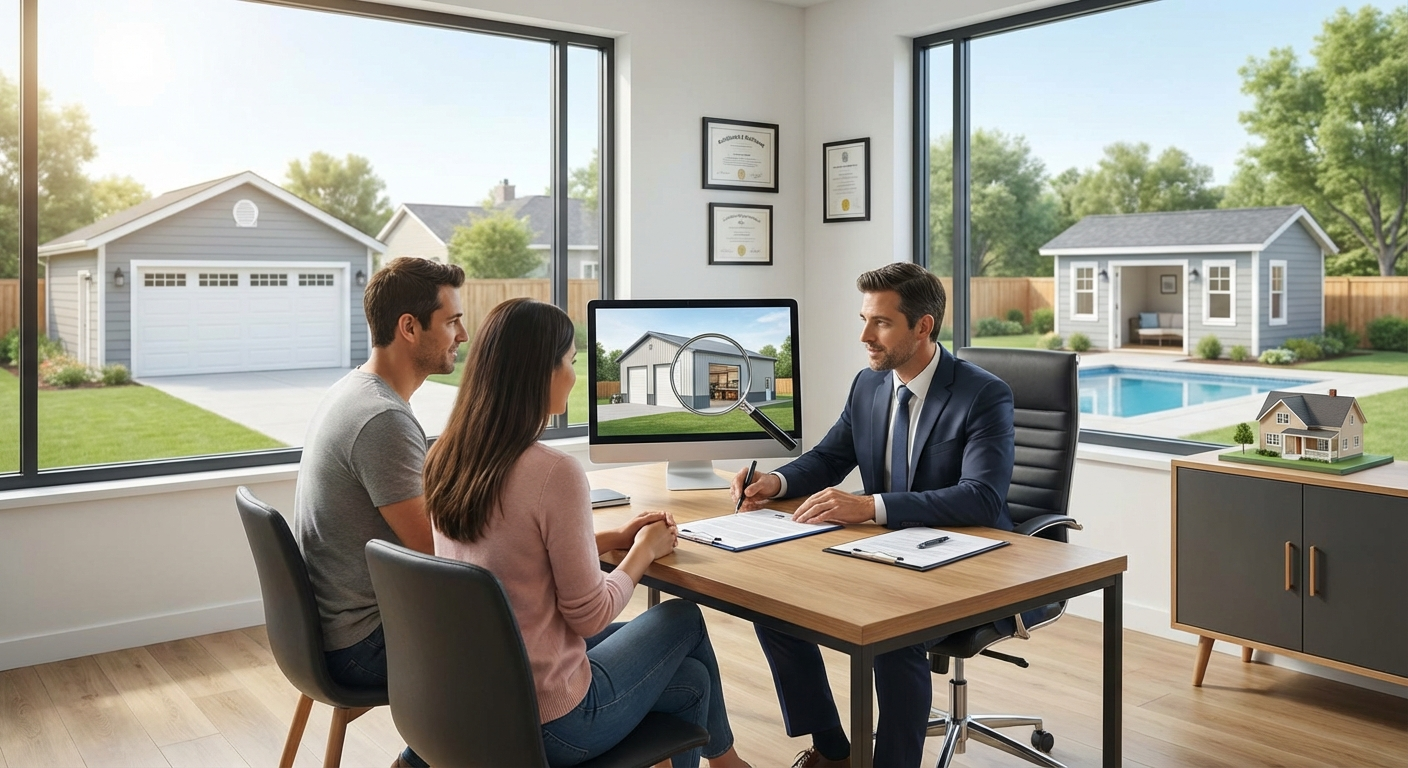
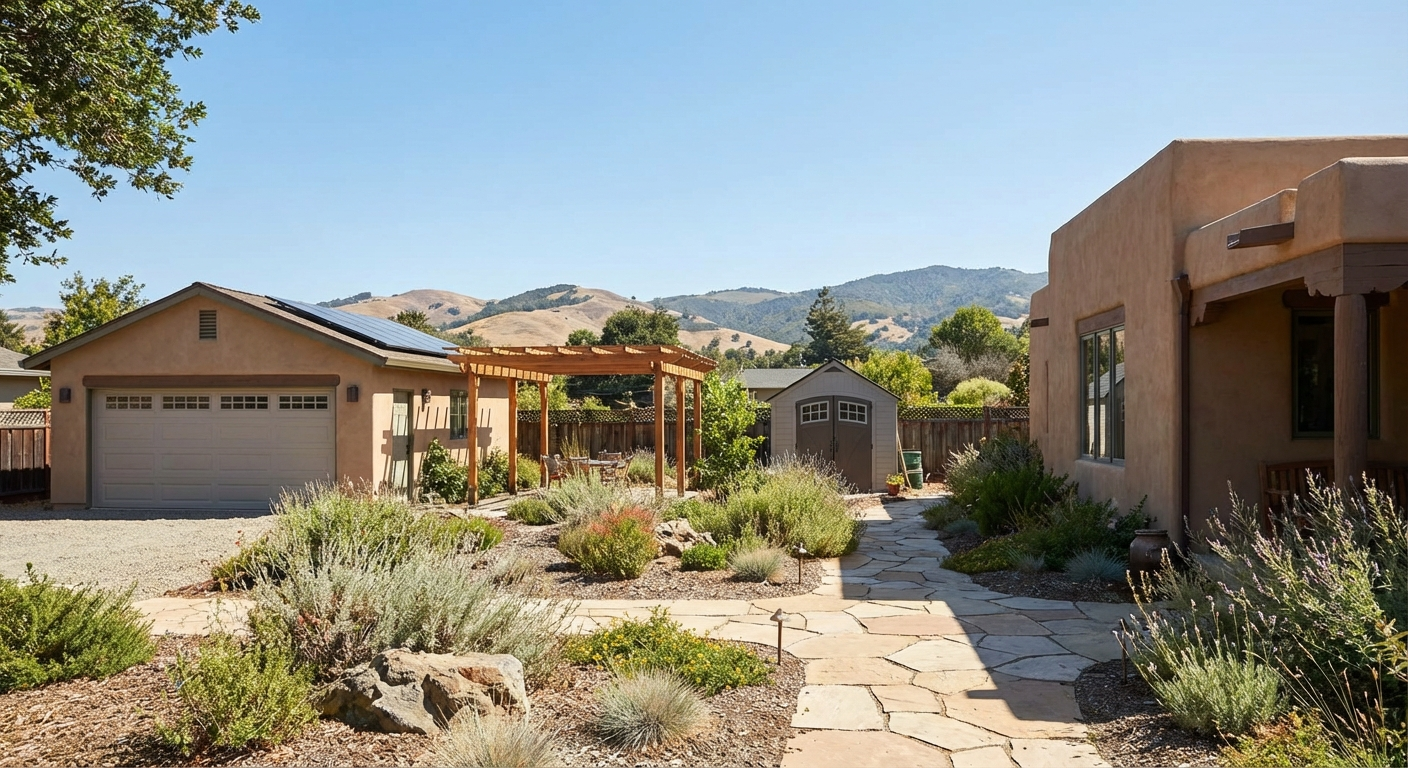
Think about your backyard. Maybe you’ve got a detached garage, a classic California setup. Or perhaps a little shed for your gardening tools and bikes. Some folks have a fancy guesthouse, a pool house, or even a standalone art studio. All these buildings, separate from your main dwelling, fall under this specific part of your insurance policy. They’re not your house, but they’re definitely part of your home’s value.
For most homeowners in places like Orange County or down in the Inland Empire, this coverage is automatically included as part of your standard HO-3 policy. It usually hovers around 10% of your dwelling coverage. So, if your main home is insured for, say, $500,000, your other structures might be covered for $50,000. That’s a decent chunk of change.
Beyond the Obvious: What Else Counts?
It’s not just about tiny houses or big sheds. Fences, for example, are a huge one. Whether it’s a privacy fence around your yard or a decorative one along your driveway, if it’s damaged by a covered peril — like a falling tree or vandalism — your other structures coverage often pays for repairs or replacement. Retaining walls, if they’re not part of the main house’s foundation, can also fall here. Even a fancy gazebo or a permanent backyard BBQ setup with a roof might be included.
Here’s where it gets interesting. What about your swimming pool? Is it an “other structure”? The pool *itself* — the hole in the ground filled with water — usually isn’t. But the pool house next to it? Absolutely. The concrete decking around it? Often yes. The fence enclosing it? You bet. It’s about the *structure*, not necessarily the amenity it supports.
Honestly, the lines can get a little blurry sometimes. That’s why having a good conversation with an expert like Karl Susman at LA Home Insurance Quotes is so helpful. He’s seen just about every kind of setup across California. You can reach him and his team at (877) 411-5200. They can tell you exactly how your specific policy treats those unique additions to your property.
Why This Coverage Matters More Than You Think in California
Living in California, we’re no strangers to natural disasters. Wildfires, especially, have become a brutal reality for communities from the Santa Cruz Mountains to the foothills of the Sierra Nevada. Imagine a scenario: a brush fire, similar to the devastating ones we’ve seen in Ventura County or around Paradise, sweeps through your property. Your main house might be saved, thanks to defensible space, but what about that detached workshop you use for woodworking? Or your kids’ playhouse?
A fire can easily destroy these structures even if the main house survives. Without adequate other structures coverage, rebuilding them would come entirely out of your pocket. That’s a massive financial blow most families can’t absorb easily.
But wait — it’s not just fire. Earthquakes, while often requiring separate coverage, can also damage these structures. Windstorms, even here in sunny California, can knock over a fence or tear the roof off a shed. Vandalism, a car crashing through your mailbox structure, even a neighbor’s tree falling during a storm – these are all common claims that other structures coverage handles.
The Real Answer: It’s About Peace of Mind
The short answer is yes, you need this coverage. The real answer is more complicated. It’s about protecting the investment you’ve made in your entire property, not just the front door. You spend money on that shed, that fence, that cool outdoor kitchen. You maintain it. You use it. It adds value and enjoyment to your home. Losing it feels like losing a piece of your home.
Think about the cost of replacing even a simple fence these days. Lumber prices have been volatile. Labor costs are up. A 200-foot wooden fence could easily run you $10,000 to $20,000 to rebuild properly. Could you write a check for that tomorrow without blinking? Most people can’t.
Which brings up something most people miss. While 10% of your dwelling coverage is standard, it might not be enough for your unique property. If you have a brand-new, oversized detached garage, a custom-built pool house, or an expensive ADU (Accessory Dwelling Unit) that isn’t fully reflected in your dwelling coverage, you might need to increase this limit. It’s often possible to add more coverage for an extra premium, which can be a smart move, especially with property values climbing across places like San Diego and the Bay Area.
Want to see how your current coverage stacks up or explore options for better protection? It’s a good time to get a personalized quote. Visit lahomeinsurancequotes.com/quote/ to start.
California’s Shifting Insurance Landscape and Your Other Structures
It’s no secret that California’s home insurance market has been a bit turbulent lately. Insurers like State Farm and Farmers have made headlines for pulling back from certain areas or adjusting their offerings. This isn’t just impacting dwelling coverage; it ripples through every part of your policy, including other structures.
The FAIR Plan, California’s insurer of last resort, has also seen changes. While it primarily offers basic fire coverage, the availability and scope of even that can affect how other insurers price their policies and what they’re willing to cover. Prop 103, which regulates insurance rates, keeps things interesting, with ongoing debates about how insurers can adjust premiums to reflect actual risk.
What does this mean for you? It means you can’t just set it and forget it. Your policy needs regular check-ups. Maybe you built a new shed last year. Did you tell your insurance company? Did you increase your other structures coverage to match? If not, you might find yourself underinsured if something happens.
The Importance of Being Specific
When you’re discussing your policy, be specific about what you have. Don’t just say “I have a shed.” Tell your agent it’s a 10x12 foot Tuff Shed with a concrete foundation and it holds all your expensive power tools. Or that your detached garage is newly renovated with an office space inside. Details matter. They help your agent understand the true replacement cost and ensure you get the right amount of coverage.
Sometimes, an expensive standalone structure, particularly an ADU that’s rented out, might need its own specific policy or endorsement, separate from the standard 10% other structures coverage. This is especially true if it has its own utilities and is effectively a second dwelling. It’s a common situation in urban areas like Los Angeles or Sacramento, where ADUs are popping up everywhere.
Think of your insurance policy as a living document. It should evolve with your property. If you add a new patio cover, build a substantial garden shed, or replace an old fence with a much sturdier, more expensive one, let your insurance professional know. They can guide you on whether your existing “other structures” coverage is still adequate or if you need an adjustment.
You deserve to feel confident that your entire property is protected. For personalized advice and to ensure your California home and everything on it is properly covered, reach out to Karl Susman at LA Home Insurance Quotes, CA License #0B75129, at (877) 411-5200.
Frequently Asked Questions About Other Structures Coverage
Can I choose a different coverage amount for my other structures?
Yes, you absolutely can. While 10% of your dwelling coverage is standard, you can usually request to increase this amount if you have particularly valuable separate structures, like a large detached garage, a guesthouse, or an expensive workshop. It will likely mean a slightly higher premium, but it ensures better protection.
Are fences always covered under other structures?
For the most part, yes. Fences are typically considered “other structures” because they’re on your property but not attached to your main home. However, the cause of damage matters. If a covered peril, like a storm or vandalism, damages your fence, it’s usually covered. If it just falls apart due to old age or lack of maintenance, that’s generally not covered.
What if I have an Accessory Dwelling Unit (ADU) that I rent out?
This is a good question. A small, non-rented ADU might fall under your standard other structures coverage. But if you have a larger ADU that you’re renting out to tenants, it often needs its own landlord policy or a specific endorsement added to your homeowner’s policy. The risks are different when you have tenants, and your standard other structures coverage might not be enough or even appropriate. Always discuss this with your agent.
Does other structures coverage protect the contents inside my shed or detached garage?
No, generally not. Other structures coverage is for the physical structure itself – the walls, roof, foundation, etc. The items *inside* those structures, like your lawnmower, tools, bicycles, or stored personal belongings, would typically be covered under the “personal property” section of your homeowner’s policy. Make sure your personal property limits are high enough to cover everything you own, both inside your home and in your detached buildings.
What’s the difference between other structures coverage and dwelling coverage?
Dwelling coverage (Coverage A) protects your main home and anything permanently attached to it, like an attached garage or a deck built onto the house. Other structures coverage (Coverage B) is specifically for buildings and structures on your property that are *not* attached to your main home. Big difference.
Ready to make sure your entire California property is protected? Get a quote today and let’s talk about what makes sense for you: lahomeinsurancequotes.com/quote/
***
This article is for informational purposes only and does not constitute financial advice.