
The Lure of the Past — And Its Insurance Headaches
Maria and David weren’t looking for a project. Not really. But when they first walked into that 1920s Spanish Revival in Los Feliz, it was over. Original Batchelder tile fireplace. Hand-carved wooden beams in the living room. Arched doorways leading to a sun-drenched patio. The place had character, history, a story whispering from every wall. They bought it.
Soon after, the real work began. Not just the peeling paint and the outdated kitchen, but the hunt for home insurance. They quickly learned that insuring a century-old home in California wasn’t like insuring a new build in the Inland Empire. Not even close. Their standard insurance company, the one that covered their last house, just gave them a blank stare. Or, worse, a sky-high quote that felt more like a dare.
Many Californians dream of owning a piece of history. A Craftsman bungalow in Pasadena. A Victorian in San Francisco. A Mid-Century Modern in Palm Springs. These homes, with their unique architecture and undeniable charm, hold a special place in our hearts. But they also come with a unique set of challenges, especially when it comes to keeping them properly insured.
What Makes a Historic Home “Historic” to an Insurer?
You might think “historic” just means “old.” And sure, age plays a role. But for an insurance company, it’s more about the specific characteristics that make the home distinctive – and expensive to repair or replace. We’re talking about things like:
- Unique Materials: Lath and plaster walls, original hardwood floors, custom-milled trim, antique fixtures, specific tile work. These aren’t off-the-shelf items at Home Depot.
- Specialized Craftsmanship: If those hand-carved beams burn, you can’t just hire any carpenter. You need an artisan, someone who knows how to replicate historical techniques. That kind of skill costs more.
- Architectural Significance: Is the home a recognized example of a particular style? Is it on a local or national historic register? This often means stricter rules about how repairs must be done, which can add to the cost.
- Outdated Systems: Old wiring, plumbing, and roofing materials are often grandfathered in. But if a fire or flood requires a major overhaul, modern building codes often demand full upgrades. This “ordinance or law” coverage is super important for older homes.
Maria and David’s Spanish Revival, with its unique tile roof and stucco exterior, fit the bill perfectly. When they finally found an agent who understood these nuances, the conversation shifted from “can we even get insurance?” to “how do we protect what makes this home special?”
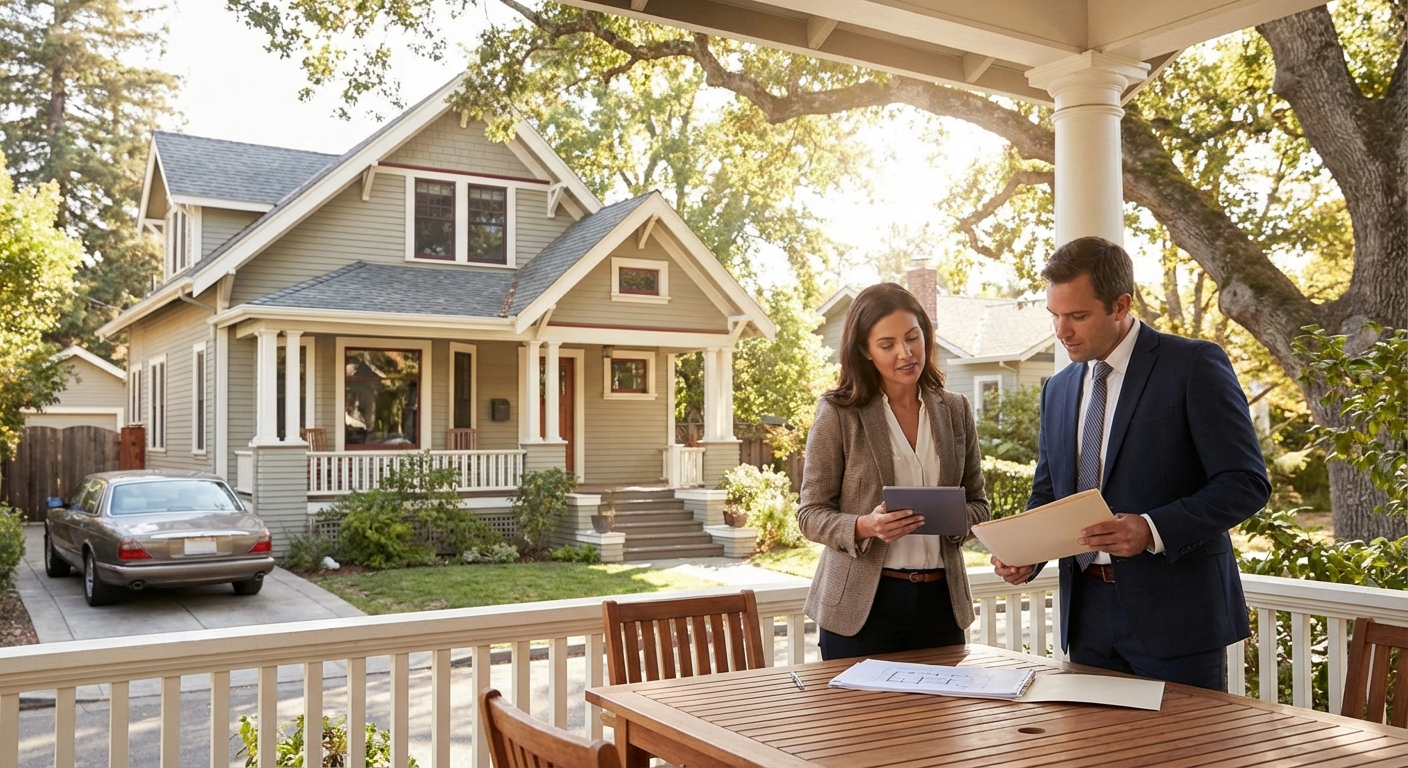
The Wildfire Shadow and Other California Realities
Let’s be honest: California has a lot going for it. Great weather, stunning scenery. But it also has wildfires, mudslides, and earthquakes. While earthquake coverage is usually a separate policy, the increasing frequency and intensity of wildfires have dramatically changed the home insurance landscape across the state. Premiums jumped 40% between 2022 and 2024 for many homeowners. Some insurers pulled back entirely from areas they deemed too risky.
Many historic homes, especially those in older, tree-lined neighborhoods or nestled into hillsides, can find themselves in areas designated as high-risk for fire. Think the Oakland Hills, parts of Ventura County, or even some canyons around Los Angeles. This isn’t just a challenge for historic homes, of course, but it compounds the difficulties of insuring a property that already has unique requirements.
Insurers look at the “wildland-urban interface” – that blurry line where homes meet wildland vegetation. They consider brush clearance, defensible space, and even the type of roof you have. An old wood shake roof on a historic home? That’s a red flag for a lot of companies.
The High Cost of Character: Why Historic Homes are Different
It’s a common misconception: an older home should be cheaper to insure because it’s worth less than a brand-new mansion. The short answer is yes. The real answer is more complicated. While the market value of a historic home might be lower than a new sprawling estate, its *rebuild cost* can be significantly higher.
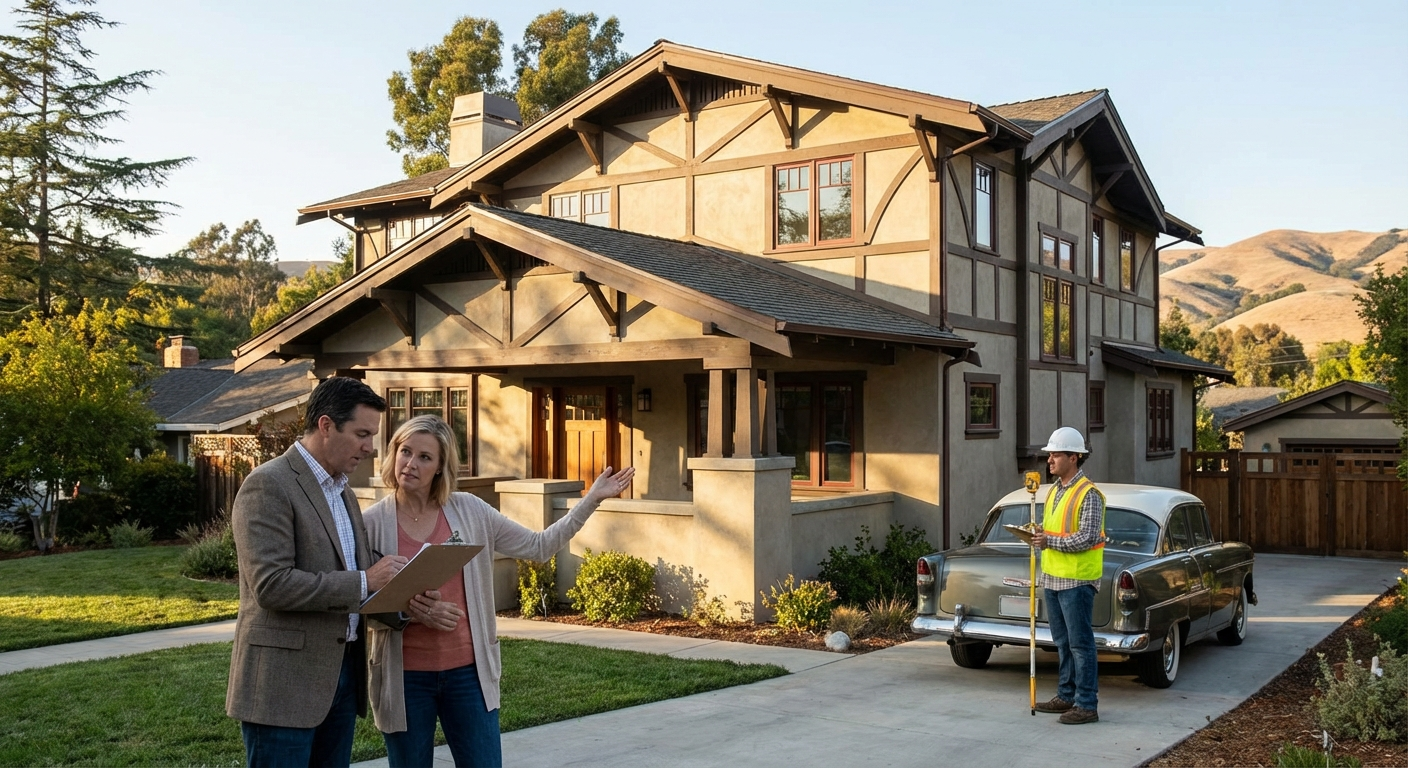
Replacement Cost vs. Market Value: A Big Difference
An insurance policy protects the cost of rebuilding your home if it’s destroyed, not necessarily its market value. For historic homes, these two numbers can be miles apart. Say Maria and David’s home is worth $1.5 million on the market, thanks to its desirable location and charm. But rebuilding it from scratch, using original architectural plans, sourcing custom materials, and employing specialized craftsmen, could easily cost $2 million or more.
Standard policies might not account for these specialized costs. You need a policy that provides “guaranteed replacement cost” or “extended replacement cost” coverage. This means if the cost to rebuild exceeds your policy’s dwelling limit, the insurer will pay an additional percentage – sometimes up to 25% or 50% – to ensure your home is fully restored.
Another thing most people miss: “ordinance or law” coverage. This is hugely important for historic properties. If a fire burns down part of your historic home, building codes might demand you upgrade the entire electrical system or bring the plumbing up to modern standards, even if the damaged parts weren’t directly related to those systems. Without enough ordinance or law coverage, you’d be paying for those upgrades out of pocket.
Finding the Right Expert: Specialty Insurers and Brokers
So, what’s a historic homeowner to do? You don’t want to settle for inadequate coverage, especially not on a home you cherish. This is where specialty insurers and experienced independent brokers come in. Companies like Chubb, AIG, PURE, and Cincinnati often have programs designed specifically for high-value or unique properties, including historic homes. They understand the complexities and the higher rebuild costs.
But how do you find them? That’s not always easy. Many standard agents don’t have access to these specialty markets. That’s when a friend told Maria and David about Karl Susman at LA Home Insurance Quotes. They called him at (877) 411-5200, feeling pretty desperate. Karl, with his California License #OB75129, specializes in navigating these tricky waters. He knows which carriers will even consider a historic home and how to present the property in the best light.
An independent broker like Karl works for you, not for a single insurance company. They can shop around, compare quotes from multiple carriers – including those specialty ones – and explain the differences in coverage. It’s a bit like having a translator for the confusing language of insurance.
Navigating the Market: Strategies for Historic Homeowners
The California insurance market is challenging right now. State Farm, AAA, and Farmers have all tightened their belts or pulled back in certain areas. This makes it even more important to be proactive and informed when insuring a historic property.
The FAIR Plan: A Backstop, Not a First Choice
If you’ve tried everywhere and can’t get coverage on the traditional market, California has the FAIR Plan. It’s designed as an insurer of last resort, providing basic fire coverage. But here’s the thing: it’s not a full homeowner’s policy. It doesn’t include liability, theft, or other common perils. You’ll need to buy a “Difference In Conditions” (DIC) policy from another insurer to fill those gaps. It’s patchwork coverage, often more expensive, and definitely not ideal for a cherished historic home.
Many historic homeowners find themselves on the FAIR Plan, especially if their property is in a high-fire risk area. It’s better than nothing, but it’s not the goal. Your aim should always be to find a comprehensive policy with a reputable carrier.
What to Look for in a Policy
When you’re comparing policies for your historic home, don’t just look at the premium. Dig into the details:
- Dwelling Coverage Limit: Is it high enough to truly rebuild your home with historic accuracy? Get an appraisal that estimates rebuild costs, not just market value.
- Extended or Guaranteed Replacement Cost: This cushion is essential.
- Ordinance or Law Coverage: Make sure you have enough to cover potential code upgrades.
- Personal Property Coverage: Do you have antique furniture, art, or collections that need special coverage?
- Loss of Use/Additional Living Expenses: If your historic home needs extensive repairs after a claim, where will you live? This covers temporary housing, meals, and other expenses.
- Liability Coverage: Protects you if someone is injured on your property.
Maria and David learned all of this the hard way, but they’re glad they did. Their home is more than just a house; it’s a piece of California history, and they want to make sure it’s protected for generations to come.
If you’re a California historic homeowner, or dreaming of becoming one, don’t go it alone. The right advice can make all the difference. You can start by getting some quotes and talking to someone who understands the unique challenges of properties like yours. Get a California historic home insurance quote today.
Finding the right insurance for a historic property in California isn’t a walk in the park. But with the right guidance, it’s absolutely doable. You don’t have to sacrifice protection for character. Want to learn more and see what options are out there for your unique home? Get a California historic home insurance quote today.
Frequently Asked Questions About Historic Home Insurance in California
-
Is earthquake insurance included in my historic home policy?
No. Earthquake insurance is almost always a separate policy in California. It’s usually offered as an endorsement or a standalone policy from the California Earthquake Authority (CEA) or private carriers. You’ll need to purchase it separately if you want that protection. -
Can I still get insurance if my historic home is in a high-fire zone?
Yes, it’s possible, but it can be more challenging. Many standard insurers might decline coverage or charge very high premiums. This is when an independent broker, like Karl Susman, can be incredibly helpful. They can access specialty markets that are more willing to insure homes in higher-risk areas, or help you navigate the California FAIR Plan as a last resort. -
Will restoring my historic home affect my insurance rates?
It depends on the restoration. Upgrades that improve safety, like updating old electrical or plumbing systems to modern codes, might actually lower your risk and potentially your premiums over time. However, if your restoration involves adding very expensive, custom features or materials, your replacement cost value could go up, which would increase your premiums. It’s important to tell your insurer about any significant changes. -
What’s the difference between a standard policy and a specialty historic home policy?
A standard HO-3 policy usually assumes your home can be rebuilt with common materials and labor. A specialty historic home policy (often an HO-8 or a custom high-value policy) is designed to cover the unique and often much higher costs associated with rebuilding a historic home to its original specifications. This includes coverage for specialized materials, artisan labor, and often higher limits for ordinance or law coverage to meet modern building codes during a rebuild.
This article is for informational purposes only and does not constitute financial advice.