
Many People Think Foundation Damage is Always Covered by Home Insurance — Here’s the Truth
For most California homeowners, the foundation isn’t something you think about every day. It’s just… there. Holding up your house. But when cracks appear, or doors start sticking, a cold dread often sets in. Is this a big deal? More importantly, will my home insurance pay for it? The short answer is yes. The real answer, though, is far more complicated, especially here in the Golden State.
Honestly, it’s one of the most misunderstood parts of a home insurance policy. Many folks assume that if their house is falling apart, their insurance company will step right up and fix it. Not always. Foundation damage, like so many things in insurance, lives in a gray area.
Myth: My Policy Covers All Foundation Problems
Let’s bust this one right away. Your standard homeowners insurance policy (HO-3, for most of us) covers “sudden and accidental” damage caused by specific perils named in your policy. Think fire, a burst pipe, a tree falling on your roof. When it comes to your foundation, the cause of the damage makes all the difference.
Say a pipe bursts under your slab, and the rushing water erodes the soil, causing a section of your foundation to sink. That’s usually covered. Why? Because a sudden, accidental burst pipe is a “named peril.” The foundation damage is a direct result of that covered event.
But here’s where it gets interesting. What if your foundation cracks slowly over years because the soil under your house is expanding and contracting with the seasons? Or what if tree roots slowly push up a corner of your slab? These are typically considered “gradual” damage or “wear and tear.” And that’s almost never covered. Insurance is for unexpected events, not the slow march of time or lack of upkeep.
When Damage is Usually Covered (and When it Isn’t)
It helps to think about the “how.”
* **Sudden Water Damage:** A pipe bursts, a water heater leaks catastrophically, or an appliance hose gives out, and the water undermines your foundation. Good chance of coverage here. Often, you’ll need a specific “hidden water damage” or “sewer and drain backup” endorsement to be fully protected, especially if the leak goes unnoticed for a while.
* **Vandalism or Vehicles:** Someone drives into your house and damages the foundation. Or vandals cause structural damage. These are usually covered perils.
* **Fire:** A house fire compromises the structural integrity of your foundation. Covered.
Now, for the bad news – the stuff that’s usually *not* covered:
* **Earth Movement:** This is a big one in California. We’re talking earthquakes, landslides, mudslides, sinkholes, and even the natural settling of your home over time. Standard policies almost always exclude these.
* **Flooding:** Water from outside your home – a river overflowing, heavy rain runoff, a storm surge – that damages your foundation? Not covered by standard home insurance. You need separate flood insurance for that.
* **Wear and Tear, Deterioration, Neglect:** Foundations are tough, but they don’t last forever without maintenance. Cracks from age, poor drainage that you never fixed, or roots from a tree you planted too close to the house – these are on you.
* **Poor Construction:** If your foundation was poorly built to begin with, or if the soil wasn’t properly compacted when your home was new, that’s generally not something your home insurance will pay for. This usually falls under builder warranties or professional liability, if you can prove it.
The California Quake Question: Is My Foundation Covered?
Living in California, the “earth movement” exclusion really hits different. We all know the ground moves here. Many people think “earthquake insurance” covers *all* ground movement. That’s not the whole story.
Standard home insurance specifically excludes earthquakes. If you want protection for seismic activity – the kind that makes your dishes rattle and your house sway – you need a separate earthquake policy. Here in California, that usually means a policy from the California Earthquake Authority (CEA) or a private insurer.
But wait — even with earthquake insurance, it’s specific to *earthquakes*. It won’t cover a slow-motion landslide that isn’t triggered by an earthquake, or the ground settling over decades. That’s a crucial distinction. Earthquake policies have their own deductibles, which can be significant – often 10% or 15% of your dwelling coverage. So, if your house is insured for $800,000, your deductible could be $80,000 or $120,000. That’s a big difference.
Flood Insurance: Not Just for Coastal Homes Anymore
Another common misconception: “I don’t live in a flood zone, so I don’t need flood insurance.” Seriously? In California, flash floods can happen anywhere, from the desert plains of the Inland Empire to the canyons of Ventura County. Even a clogged storm drain on a regular street can send water into your home’s foundation.
Standard home insurance won’t touch flood damage. Period. If you want your foundation protected from rising water, you need a separate flood insurance policy. You can get this through the National Flood Insurance Program (NFIP) or from a private flood insurance company. Don’t assume your elevation or distance from a river makes you immune. You’d be surprised where flood waters find their way.
The Shifting Sands of California’s Insurance Market
If you’ve ever tried to buy or renew home insurance recently, you know it’s a wild ride. Insurers like State Farm, Allstate, and Farmers have either paused new policies or significantly tightened their belts across the state. They’re worried about wildfires – like the potential for another catastrophic fire season in 2025 across the hills north of Los Angeles – and other rising risks.
This means finding coverage, especially for homes in higher-risk areas or those with any pre-existing issues, is harder than ever. Your old policy might have been great, but if your insurer pulls out or changes their terms, you could be left scrambling. Many homeowners are finding themselves funneled into the California FAIR Plan, which is the state’s “insurer of last resort.” It provides basic fire coverage but often requires you to buy a separate “Difference in Conditions” (DIC) policy for other perils like liability, theft, and yes, some water damage.
This constant change means you can’t just set it and forget it. You need to review your policy every single year.
What to Do If You See Foundation Cracks
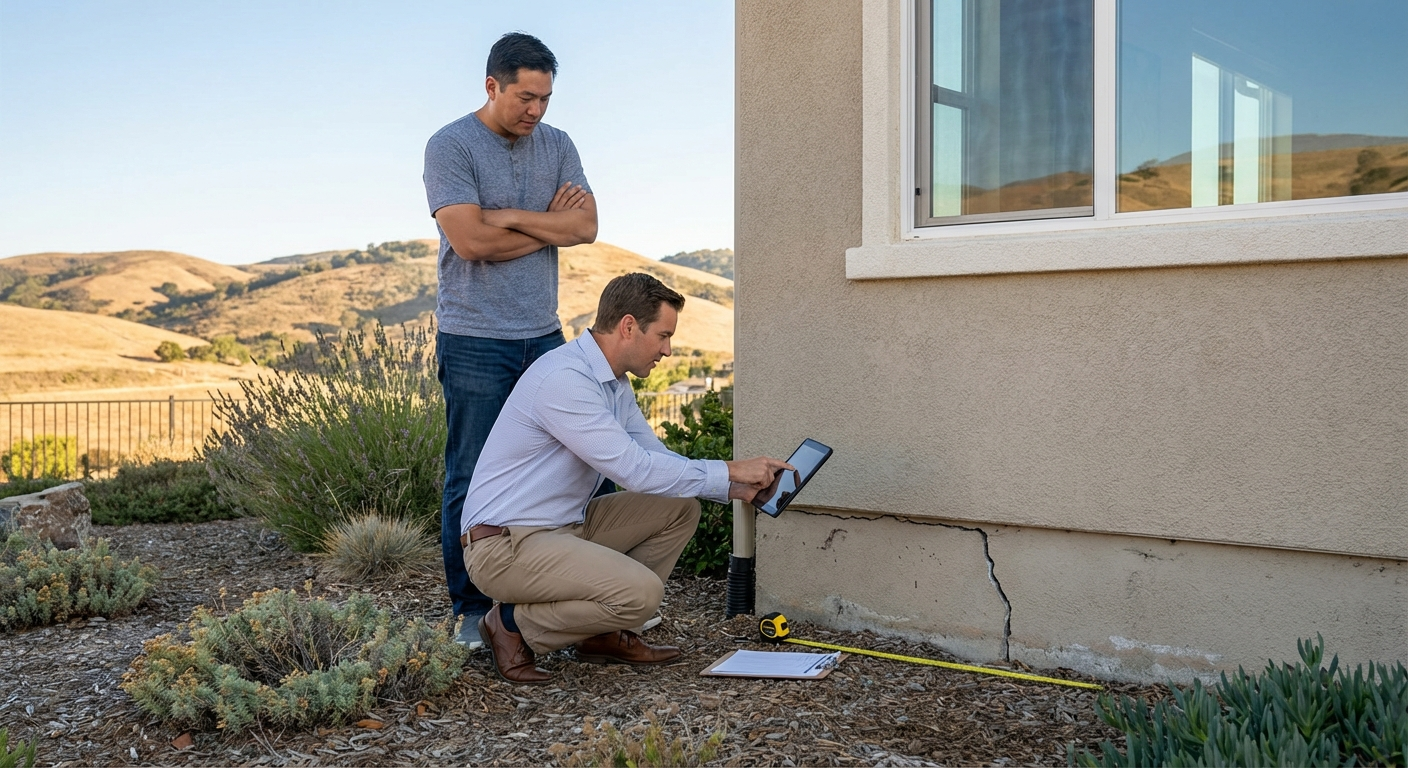
First, don’t panic. Not every crack means your house is falling down. Hairline cracks in stucco or concrete are common. But if you see wider cracks – say, wider than a quarter-inch – or cracks that run horizontally, stair-step up brickwork, or cause doors and windows to stick, it’s time to act.
1. **Document Everything:** Take photos and videos. Note the date. Measure the cracks. Keep a log.
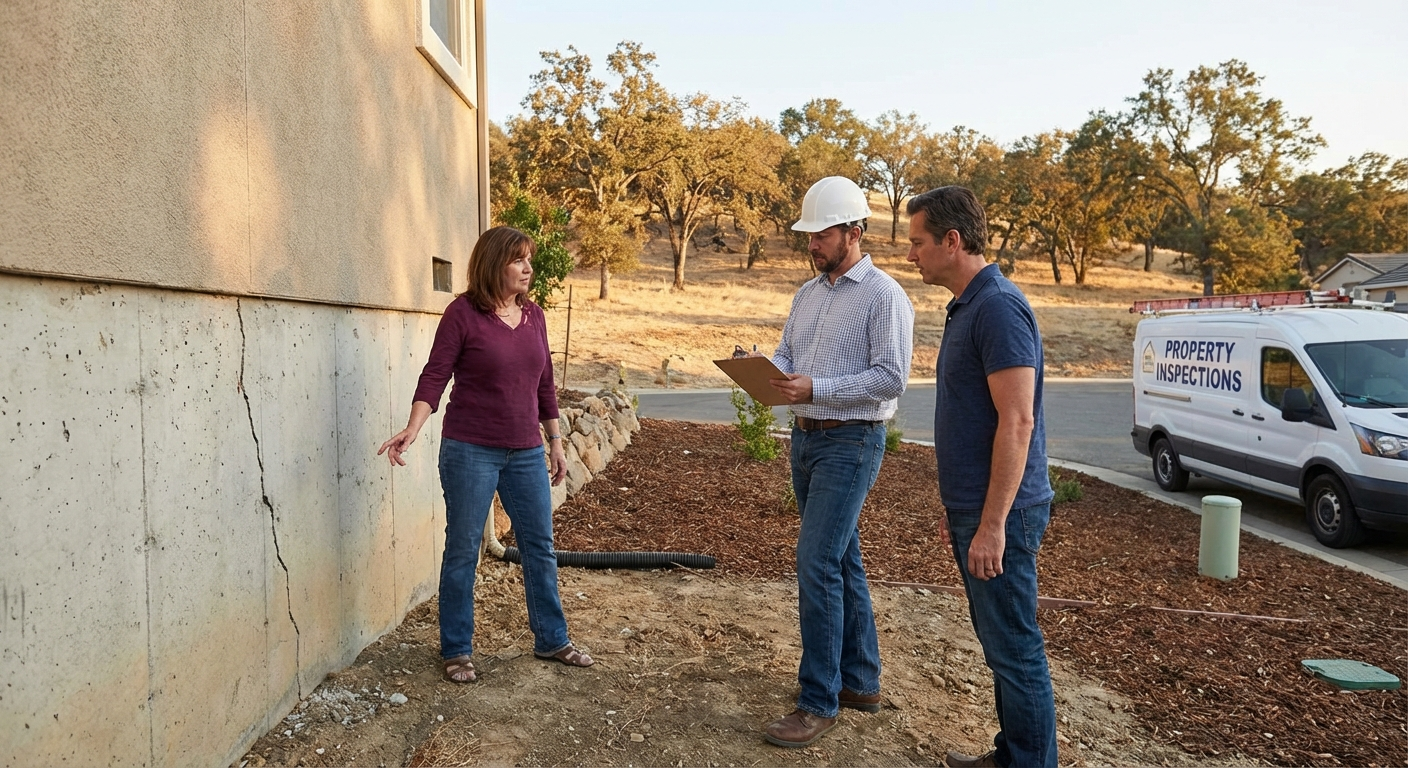
2. **Call a Professional:** Get a structural engineer or a foundation repair specialist to assess the damage. They can tell you what’s causing it and what repairs are needed. This is a critical step before involving your insurer. You need an expert opinion.
3. **Contact Your Insurance Agent:** Once you have an idea of the cause, talk to your agent. They can help you understand if the damage *might* be covered under your specific policy. They can also explain any endorsements you have or might need.
This is exactly where having an experienced, California-focused agent makes all the difference. Someone like Karl Susman at LA Home Insurance Quotes knows the ins and outs of these tricky situations. His team understands what policies cover, what they exclude, and how to approach a potential claim. They’re licensed to help California homeowners, and you can reach them at (877) 411-5200.
Don’t wait until you’re staring at a sagging floor to think about your foundation coverage. Being proactive means understanding your policy *before* disaster strikes.
Ready to get a clearer picture of your home insurance options in California? You can start by getting a personalized quote right now: Get Your Home Insurance Quote
Understanding your policy is the best foundation you can have for protecting your home. It’s not just about having insurance; it’s about having the *right* insurance for California’s unique challenges.
Want to talk through your options and make sure your foundation is properly protected? Karl Susman, CA License #0B75129, and his team are ready to help.
Frequently Asked Questions About Foundation Damage and Home Insurance
Does home insurance cover cracks in my foundation?
It depends entirely on what caused the cracks. If they’re from a sudden, accidental event like a burst pipe or a vehicle impact, probably. If they’re from gradual settling, soil expansion, or normal wear and tear over time, almost certainly not.
What if my foundation damage is due to poor construction?
Standard home insurance policies don’t cover poor workmanship or construction defects. That kind of issue typically falls under a builder’s warranty, if your home is new, or you might need to pursue legal action against the builder if the warranty has expired. It’s a tough road, and not one your home insurance will pave.
How can I tell if my foundation has damage?
Look for more than just hairline cracks. Watch for cracks wider than a quarter-inch, cracks that run horizontally or stair-step up masonry, doors and windows that stick or don’t close properly, sloping floors, or gaps between walls and ceilings. If you see these, get a professional opinion quickly.
Is earth movement always excluded?
For standard home insurance, yes, almost all forms of earth movement – earthquakes, landslides, subsidence, mudslides – are excluded. To cover earthquakes, you need a separate earthquake policy. For other types of earth movement, coverage is extremely rare and often requires specialized, expensive policies, if available at all.
Can I add an endorsement for foundation damage?
You can’t typically add an endorsement that covers *all* foundation damage. However, you can add endorsements that protect against *causes* of foundation damage that aren’t always standard. For example, “sewer and drain backup” or “hidden water damage” endorsements can be incredibly valuable in California, covering damage caused by leaks that go unnoticed for a period. These can absolutely help if a slow leak undermines your foundation.
Think your foundation might need a closer look, or just want to review your policy to be sure you’re covered? Don’t hesitate to reach out.
Get a Quote and Protect Your California Home’s Foundation
This article is for informational purposes only and does not constitute financial advice.