The Unsettling Truth About California Home Insurance
It’s a scary time to own a home in California, isn’t it? Many of you have probably felt that knot in your stomach when the renewal notice arrives, or worse, when you get that dreaded cancellation letter in the mail. Maybe your premium jumped 40% between 2022 and 2024. Perhaps you’re in Ventura County, or up in the hills near the Inland Empire, wondering if you’ll even *have* coverage next year. You’re not alone in feeling confused, frustrated, or even a little angry.
For years, home insurance was just another bill. Now? It feels like a high-stakes game. Insurers like State Farm and Allstate have pulled back, making it tougher to find a policy. The simple fact is, wildfires have changed everything. They’re bigger, they’re more frequent, and they’re devastating. We’ve seen entire neighborhoods vanish. It makes sense, then, that insurance companies are rethinking their risk. But that doesn’t make it any easier for you, the homeowner, to deal with.
Here’s where it gets interesting. While the situation feels bleak, there’s a growing push to reward homeowners who take proactive steps. We’re talking about wildfire mitigation discounts – a way to show insurers you’re serious about protecting your property and, in turn, reduce your risk. It’s a chance to take some control back.
What’s Really Driving Your Premiums Up?
Honestly, it boils down to risk. When the danger of a multi-million-dollar payout skyrockets, so does the cost of insuring against it. California’s fire season isn’t just a season anymore; it’s practically year-round in some areas. The January 2025 Los Angeles fires were an actual disaster that illustrates the continuing threat of wildfire.
Regulators, like the California Department of Insurance, are trying to strike a balance. They want to make sure insurers stay in the state and that homeowners can still find coverage. But they also understand the financial realities. Prop 103, for example, has shaped how rates are approved for decades, but the sheer scale of recent losses is forcing new conversations.

The Shift: From Reactive to Proactive
In the past, insurance was mostly reactive. Something happened, and then the policy paid out. Today, especially with wildfire, the focus has shifted. Insurers want to see you’re doing everything possible to *prevent* a loss in the first place, or at least minimize its impact.
This isn’t just a suggestion anymore. It’s becoming a requirement for some policies, or at the very least, a strong incentive. The Department of Insurance has been pushing for standardized wildfire mitigation standards, hoping to create a clearer path for homeowners to get discounts. It’s a recognition that we’re all in this together – homeowners, insurers, and communities.
Wildfire Mitigation Discounts: A Glimmer of Hope?
Yes, a glimmer. Think of these discounts as a reward for being a responsible homeowner in a high-risk area. Insurers aren’t just looking at your zip code anymore; they’re looking at your actual property. Did you clear that brush? Is your roof fire-resistant? Do you have defensible space?
The core idea is simple: the less likely your home is to catch fire, or the easier it is for firefighters to save it, the less risk the insurer takes on. Less risk often means a lower premium. It’s not a magic bullet, but it can make a real difference, especially for those who’ve seen their rates skyrocket or faced non-renewals.
Understanding the “Safer from Wildfires” Framework
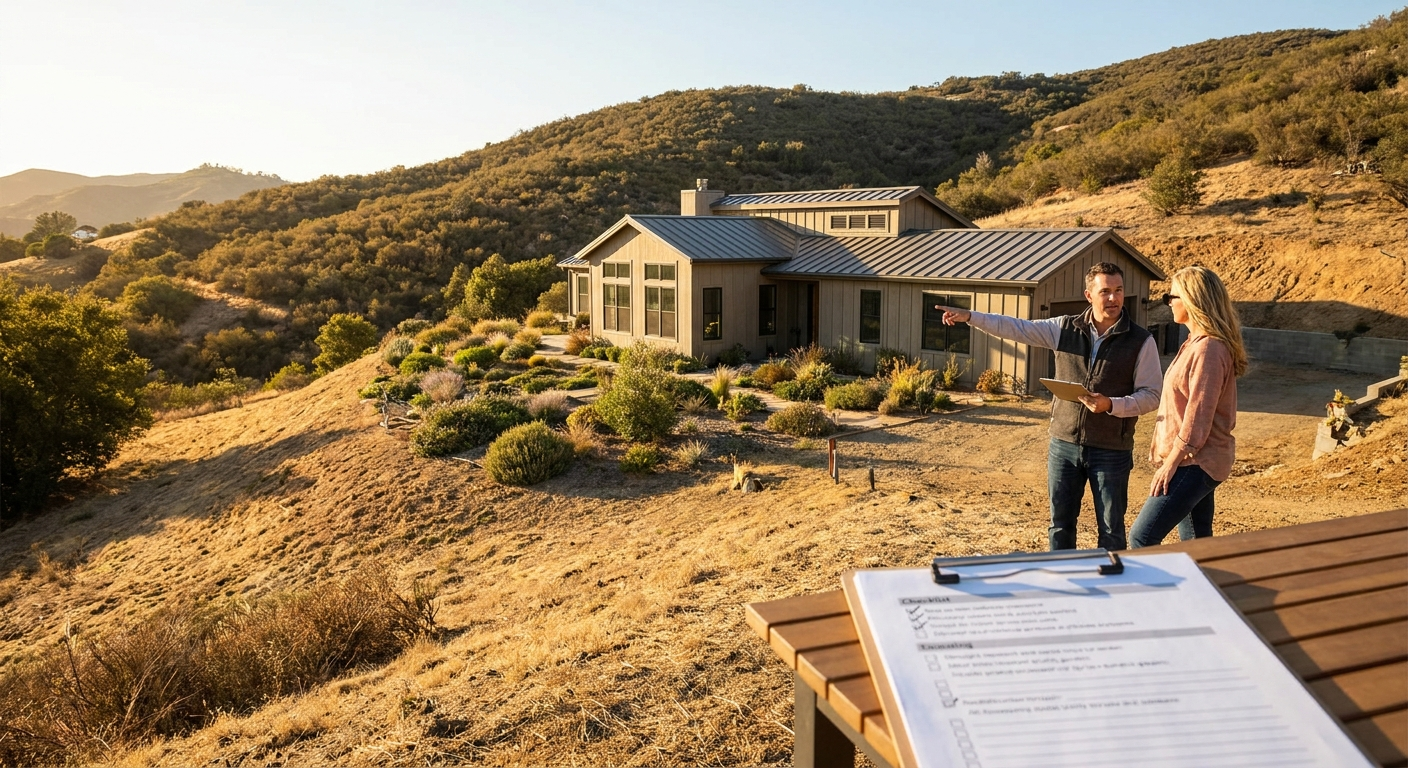
The California Department of Insurance, working with other agencies, developed what’s called the “Safer from Wildfires” framework. It’s a set of recommended actions designed to make homes and communities more resilient. It generally breaks down into three key areas:
* **Defensible Space:** This is about clearing vegetation and other flammable materials around your home.
* **Home Hardening:** This involves making structural changes to your house to resist embers and direct flame.
* **Community-Level Efforts:** While individuals can’t control these, living in a Firewise USA® community, for example, can also play a role in your insurer’s assessment.
Most of the discounts you’ll find relate directly to the first two points. These are the things you, as a homeowner, can directly influence.
Practical Steps for Home Hardening – And What It Means for Your Wallet
Let’s get practical. What exactly do you need to do? These aren’t just chores; they’re investments in your home’s safety and potentially, your insurance premium.
Defensible Space: Your First Line of Defense
This is probably the most well-known mitigation strategy. It’s all about creating zones around your home where fire can’t easily spread.
* Zone 0 (0-5 feet from the house): This is the “ember-resistant zone.” It should be completely free of anything combustible. That means no plants, no mulch, no firewood, no patio furniture made of flammable materials right next to your walls. Think concrete, pavers, or gravel. Clear out those gutters regularly; they’re notorious for collecting dry leaves and embers.
* Zone 1 (0-30 feet from the house): This area needs to be lean, clean, and green. Remove dead plants, leaves, and needles. Trim tree branches so they’re at least 10 feet from other trees and structures, and no lower than 6 feet from the ground. Keep your lawn mowed short.
* Zone 2 (30-100 feet from the house): Here, you’re reducing the amount of fuel. Space out trees and shrubs. Remove smaller trees that could act as “ladder fuels” to carry fire into the tree canopy. Keep this area well-maintained, even if it’s less intensely managed than Zone 1.
These actions might seem simple, but they make a huge difference in slowing or stopping a wildfire’s spread. Firefighters often focus their efforts on homes with good defensible space, knowing they have a better chance of saving them.
Hardening Your Home’s Structure
This part often involves more significant projects, but they’re incredibly effective against embers, which are often the true culprits in home ignitions.
* Roofs: Your roof is a huge target for embers. A Class A fire-rated roof (think tile, metal, or specific asphalt shingles) is a must. If you have an older wood shake roof, that’s a major red flag for insurers.
* Vents: Attic and foundation vents are entry points for embers. Cover them with 1/8-inch metal mesh screens. It sounds small, but it stops those fiery particles from getting inside your house.
* Windows: Dual-pane windows with tempered glass are much more resistant to heat and breaking than single-pane. Tempered glass is especially important for windows facing potential fire paths.
* Siding: Materials like stucco, fiber cement, or masonry are far more fire-resistant than wood siding. If you have wood, consider replacing it or at least ensuring it’s well-maintained and free of cracks.
* Decks and Fences: Wooden decks and fences can act as wicks, bringing fire right to your home. Consider non-combustible decking materials or at least ensure a defensible space between your home and any wooden fences. Move flammable items off and away from your deck.
* Under-eave Protection: Open eaves can trap embers. Enclosing them with fire-resistant materials can significantly reduce this risk.
Taking these steps isn’t cheap, that’s true. But the cost of *not* doing them can be far greater – in terms of insurance premiums, lack of coverage, or worst of all, losing your home.
Getting the Discount: It’s Not Always Automatic
You’ve done the work. You’ve cleared the brush, installed the mesh, maybe even replaced your roof. Now what? Getting that discount isn’t always as simple as checking a box.
Different insurance companies have different requirements. Some might use satellite imagery to assess your property. Others might require a professional inspection. You’ll often need to provide documentation, like photos, receipts for materials, or even certifications from a fire-safe landscaping professional.
This is where an independent insurance agent, like Karl Susman of LA Home Insurance Quotes, really comes into their own.
Why an Agent Makes a Difference
Let’s be honest, navigating the California insurance market right now is like trying to find your way through a maze blindfolded. You’ve got companies pulling out, new rules popping up, and a dizzying array of policies and discounts.
An independent agent works for *you*, not for a single insurance company. They know which insurers are offering which wildfire mitigation discounts. They understand the specific documentation each company requires. They can help you present your mitigation efforts in the best possible light.
Karl Susman, with LA Home Insurance Quotes (CA License #0B75129), has seen firsthand the confusion and frustration homeowners face. He knows the ins and outs of the market, which companies are still writing policies in high-risk areas, and how to help you demonstrate your efforts effectively to secure the best possible rates and coverage. They’re not just selling policies; they’re helping you protect your biggest investment.
What If You’ve Been Dropped or Can’t Find Coverage?
This is probably the scariest scenario for many homeowners, especially those in the Valley or other high-risk zones. The good news is, even if you’ve been dropped, or if standard insurers won’t touch your property, mitigation can still help.
The California FAIR Plan is often seen as a last resort. It’s the state’s insurer of last resort, providing basic fire coverage when no one else will. While it’s more expensive and offers less coverage than a traditional policy, it’s there. But wait — even with the FAIR Plan, demonstrating significant wildfire mitigation efforts can make your property more attractive to *other* insurers down the line. It shows a commitment to reducing risk, which can open doors to standard market policies that might have seemed closed before.
Think of mitigation as an investment in future insurability, not just current discounts.
Ready to See What’s Possible?
You don’t have to face this alone. Taking steps to mitigate wildfire risk is a smart move, and finding the right insurance to reward those efforts is crucial. Karl Susman and his team at LA Home Insurance Quotes are here to help you understand your options and explore how your mitigation efforts can translate into real savings and better coverage.
Why not find out what your home insurance could look like with wildfire mitigation discounts? Get a personalized quote today: https://lahomeinsurancequotes.com/quote/
Frequently Asked Questions About Wildfire Mitigation Discounts
Do all insurers offer these discounts?
Not always. While the California Department of Insurance has pushed for more standardized discounts, not every insurer offers the same ones, or to the same degree. This is why working with an independent agent who knows the market is so important.
How do I prove I’ve done the work?
You’ll typically need to provide documentation. This might include photos of your defensible space, receipts for fire-resistant materials, invoices from contractors, or even a professional wildfire risk assessment report. Keep detailed records of everything you do.
Is the discount worth the cost of mitigation?
For most California homeowners in high-risk areas, yes. Even if the immediate discount doesn’t cover the full cost of, say, a new roof, the long-term benefits are immense: reduced premiums over time, better chances of obtaining or keeping coverage, and most importantly, enhanced safety for your home and family. It’s an investment in both your financial future and your peace of mind.
What if I can’t afford all the mitigation steps at once?
Many homeowners can’t tackle everything at once, and insurers understand that. Focus on the most impactful and often most affordable steps first, like creating defensible space (Zone 0 and Zone 1). Then, prioritize bigger home hardening projects over time. Even partial mitigation can sometimes qualify for *some* discount or improve your overall risk profile.
Does this guarantee I won’t get dropped by my insurer?
Unfortunately, no guarantee exists. However, by actively mitigating your wildfire risk, you significantly increase your chances of retaining coverage and finding more favorable rates. It demonstrates to insurers that you are a proactive, lower-risk client, which is a powerful message in today’s market.
Take Control of Your Home’s Future
The California home insurance market might feel overwhelming, but you have more power than you think. By understanding wildfire risks and taking proactive steps to mitigate them, you’re not just protecting your property; you’re actively shaping your insurance future. Don’t let uncertainty dictate your next move.
Find out how wildfire mitigation can benefit your insurance. Get a free, no-obligation quote today with Karl Susman, LA Home Insurance Quotes, CA License #0B75129: https://lahomeinsurancequotes.com/quote/
This article is for informational purposes only and does not constitute financial advice.