
The Unsettling Truth About Protecting Your California Home from Theft
It’s a quiet evening. You’re home, feeling safe, maybe watching a movie or reading a book. Then you hear a story on the news about a string of break-ins in a nearby Ventura County neighborhood. Suddenly, that cozy feeling shrinks a little. You can’t help but wonder: “Could that happen to me?” It’s a natural fear, and frankly, a valid one for many California homeowners today.
We all work incredibly hard to build our lives here, to make our homes our sanctuaries. The thought of someone invading that space, taking what you’ve cherished, it’s unsettling. More than just the financial loss, there’s a deep violation of privacy and security. And with news reports often highlighting increases in property crime, especially in areas stretching from the Bay Area down through the Inland Empire, it’s easy to feel a bit exposed.
What Your Homeowners Policy *Really* Covers When Thieves Strike
Most people assume their homeowners insurance automatically covers everything if someone breaks in. The short answer is yes. The real answer is more complicated, and it’s where misunderstandings often start. Your standard HO-3 policy, which is what most California homeowners have, does indeed include coverage for theft. This falls under the “personal property” section.
But here’s the thing. That coverage isn’t limitless. It usually kicks in after your deductible, and there are often specific sub-limits for certain types of items. For instance, jewelry, watches, furs, precious and semi-precious stones often have a lower limit than your general personal property — sometimes as low as $1,500 or $2,500 per incident. The same can go for firearms, silverware, or even collectibles. If you have an expensive engagement ring, a collection of antique coins, or even a high-end bicycle, that standard limit might not even scratch the surface of its value.
Which brings up something most people miss. If you own valuables that exceed these standard sub-limits, you’ll need what’s called a “scheduled personal property endorsement” or a “personal articles floater.” This means you specifically list — or “schedule” — those items with their appraised value. You’ll typically pay an extra premium for this, but it ensures those specific items are covered for their full worth, often without a deductible, and sometimes even for “mysterious disappearance” — like if your ring simply vanishes, not just if it’s stolen.

The California Context: Why Theft Protection Matters More Now
Honestly, living in California comes with its own set of challenges when it comes to home insurance. We’re constantly dealing with wildfires, earthquakes, and a shifting insurance market. But property crime, including theft, is another layer of concern. While overall crime rates can fluctuate, specific types of theft, like organized retail theft that sometimes spills over into residential areas or vehicle break-ins, have been a hot topic.
Sometimes, the perception of increased risk can be just as impactful as the reality. If you feel less safe, you want more protection. And that’s completely reasonable. Insurers like State Farm, AAA, and Farmers are constantly adjusting their models based on claims data, local crime statistics, and even factors like proximity to major roadways. What might have been a low-risk area five or ten years ago, say in a quiet part of the Valley, could now be seeing different trends.
That’s not the whole story. The “insurance crisis” we’ve seen in California, with some carriers pulling back or raising rates dramatically — sometimes premiums jumped 40% between 2022 and 2024 for some folks — isn’t just about fires. It’s about the overall risk calculation. While theft isn’t the primary driver of these broader market shifts, it’s definitely a component in how insurers assess a property’s overall risk profile.
Making Your Home Less Appealing to Thieves — And Potentially Saving Money
Nobody wants to be an easy target. And thankfully, there’s a lot you can do to deter potential thieves. Many of these actions aren’t just good common sense; they can actually help you get better insurance rates or qualify for discounts.
* **Security Systems:** This is a big one. A professionally monitored alarm system — think ADT, SimpliSafe, Ring Alarm Pro — that sends alerts to a central station or directly to law enforcement can often earn you a discount on your homeowners policy. Insurers see this as a significant deterrent. Even doorbell cameras and exterior motion-activated lights, while not always qualifying for big discounts, definitely add layers of protection.
* **Deadbolt Locks:** Sounds simple, right? But solid deadbolts on all exterior doors are fundamental. Some insurers might even ask about the quality of your locks.
* **Window Locks and Reinforcements:** Don’t forget the windows. Shatter-resistant film or reinforced glass can make forced entry much harder.
* **Exterior Lighting:** A well-lit property is less attractive to criminals who prefer to work in the shadows.
* **Landscaping:** Keep bushes and trees trimmed, especially near windows and doors. This eliminates hiding spots.
* **Community Watch:** Participating in or forming a neighborhood watch can create a collective deterrent. Many insurers look favorably on homes in active community watch areas.
* **Smart Home Tech:** Beyond just alarms, smart locks, smart lighting, and integrated camera systems create a connected security ecosystem. Some policies offer discounts for these comprehensive setups.
* **Safes:** For extremely valuable items, a bolted-down, fire-resistant safe can provide an extra layer of protection, particularly against quick grabs during a break-in.
It’s smart to ask your insurance agent about specific discounts related to these security improvements. You might be surprised at how much you can save, all while making your home significantly safer.
The Heartbreak of a Claim: How to Prepare for the Worst
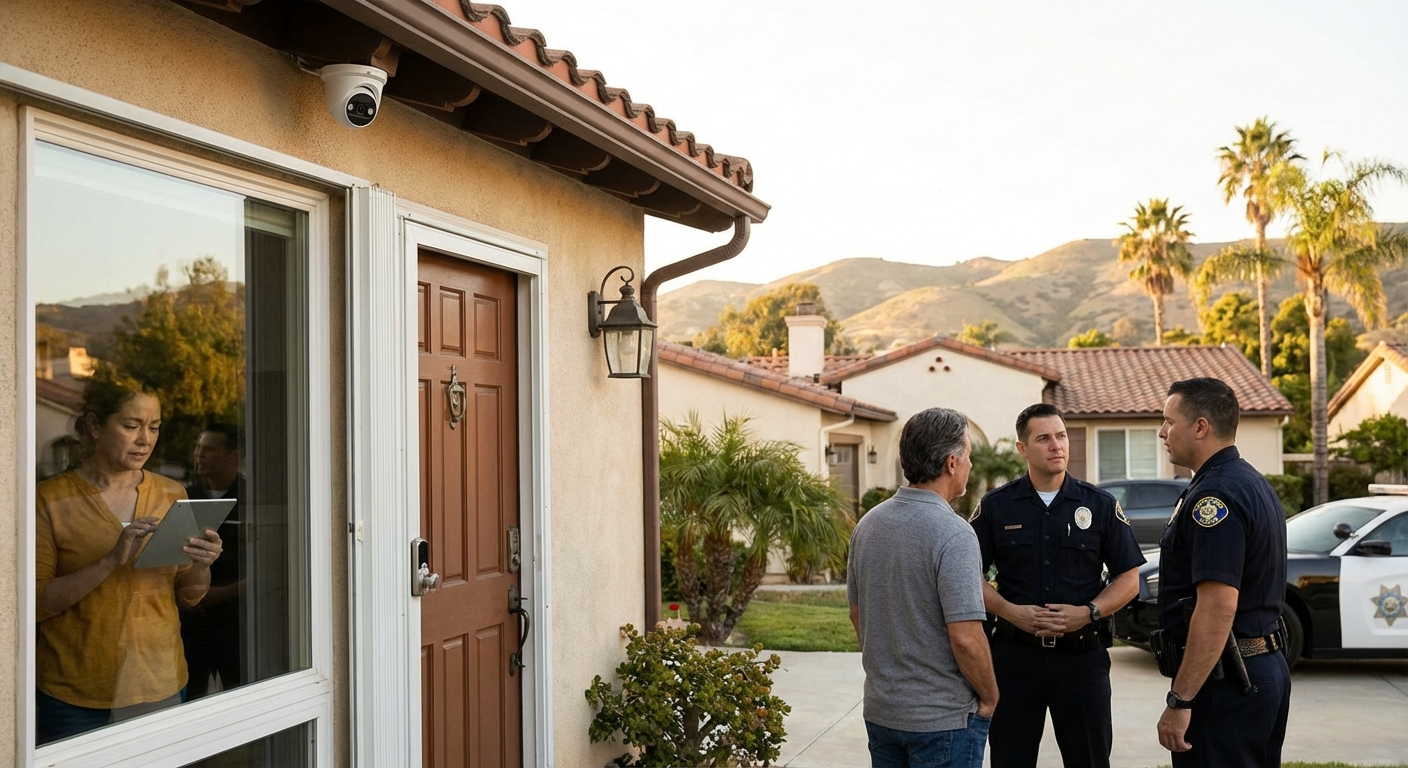
If the unthinkable happens, and your home is burglarized, the aftermath can be overwhelming. You’re dealing with the emotional shock, the mess, and then the paperwork. This is where preparation truly pays off.
* **Create a Home Inventory:** This is probably the single most important step you can take. Go room by room and list everything you own. Take photos, even videos. Note down serial numbers, purchase dates, and estimated values. Store this inventory in a secure, off-site location — a cloud drive, a safe deposit box, or with a trusted friend. Imagine trying to list every single item in your kitchen or closet after a break-in. It’s nearly impossible to remember everything, and you’ll likely undervalue what was lost. An inventory makes the claims process smoother and ensures you get compensated fairly.
* **Keep Receipts:** For major purchases, especially electronics, furniture, or scheduled items, keep those receipts. They’re golden if you need to prove ownership and value.
* **Know Your Policy:** Seriously, read through your policy. Understand your deductibles, your personal property limits, and any sub-limits for specific categories of items. If you have questions, ask your agent *before* something happens.
When you do need to file a claim, contact your agent immediately. They’re your first point of contact and can walk you through the steps. This is where having a good, empathetic agent really makes a difference. They understand you’re going through a tough time and can advocate on your behalf.
Choosing the Right Partner in Protection
Finding the right homeowners insurance in California isn’t just about checking a box. It’s about securing your peace of mind. It’s about knowing that if something goes wrong, you have a reliable partner to help you rebuild.
For many California homeowners, the market feels particularly challenging right now. Maybe you’ve been dropped by a carrier, or your rates have skyrocketed. Perhaps you’re in a brush fire area, and finding coverage feels like a wild goose chase. Some people end up on the FAIR Plan, which offers basic coverage but can be expensive and doesn’t always provide the full scope of protection you might want.
This is precisely why working with an independent agent like Karl Susman at LA Home Insurance Quotes is so beneficial. He isn’t tied to a single insurance company. Instead, he works with many different carriers, including those still actively writing policies in California, to find the best fit for your unique situation. He understands the nuances of the California market, from Prop 103’s influence to the latest changes in carrier appetites. He’s seen it all, from the 2025 LA fires (hypothetically, of course) to the everyday theft claim in a suburban tract.
You don’t have to navigate this complex landscape alone. Karl and his team can help you understand your options, assess your risks, and build a policy that truly protects your home and everything in it.
Ready to explore your options and get the protection you deserve? Get a California Home Insurance Quote.
Because protecting your home isn’t just about property; it’s about protecting your sanctuary, your memories, and your future. Don’t leave it to chance. Talk to someone who gets it.
If you’re feeling overwhelmed, or just want to make sure you’re properly covered, reach out to Karl Susman at LA Home Insurance Quotes. He’s at (877) 411-5200, CA License #OB75129. He’s here to help.
Ready to see how comprehensive theft protection can fit into your California home insurance? Start your quote today.
Frequently Asked Questions About Theft and Homeowners Insurance
Does my homeowners insurance cover theft if I’m away on vacation?
Yes, typically your homeowners policy covers theft whether you’re home or away. The key is that the theft occurred from your insured premises. Some policies might have specific clauses about extended vacancies, so it’s always good to check with your agent if your home will be unoccupied for a very long period, usually more than 30 or 60 days.
What if my car is broken into and items are stolen from inside? Is that covered by homeowners insurance?
This is a common question! Generally, items stolen from your car are covered under the personal property section of your homeowners insurance, not your auto insurance. Your auto insurance would cover damage to the car itself (like a broken window), but your homeowners policy would cover the stolen laptop, golf clubs, or luggage. You’d still have to meet your homeowners deductible, of course.
Will filing a theft claim cause my insurance premiums to go up?
Possibly. After any claim, insurance companies review your risk profile. A single theft claim might not drastically increase your rates, especially if you have a good claims history. However, multiple claims, or a very large claim, could impact your premiums or even your eligibility for certain discounts. This is another reason why having a good agent who can advise you on when to file a claim versus absorbing a smaller loss yourself is so valuable.
Does my policy cover theft of items outside my home, like from my shed or backyard?
Yes, most standard homeowners policies extend personal property coverage to items stolen from detached structures on your property, like a shed or detached garage. The coverage usually applies to theft anywhere on your “residence premises.” However, like items inside your home, these might be subject to personal property limits and sub-limits, so make sure valuable tools or equipment are properly accounted for.
This article is for informational purposes only and does not constitute financial advice.